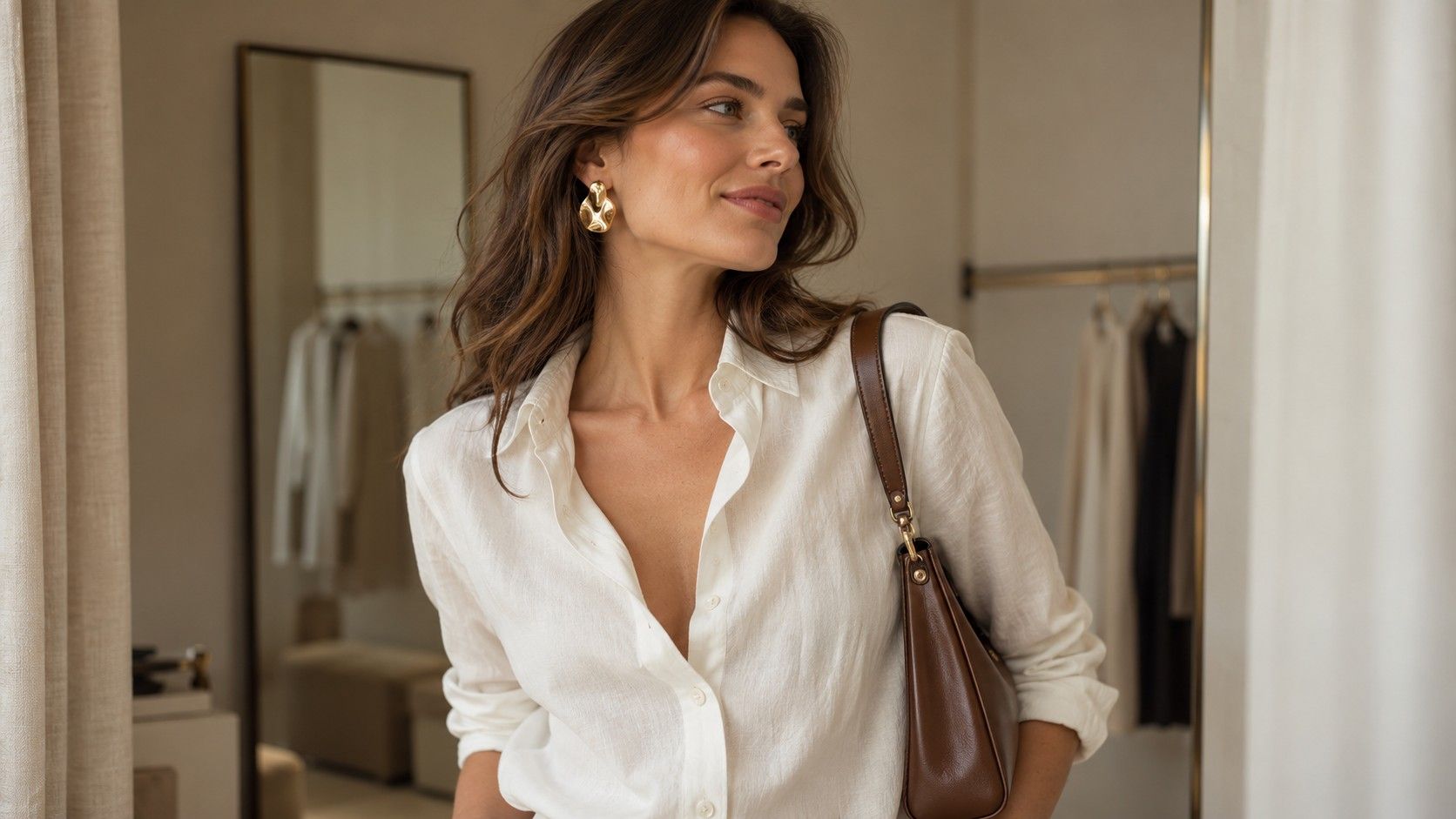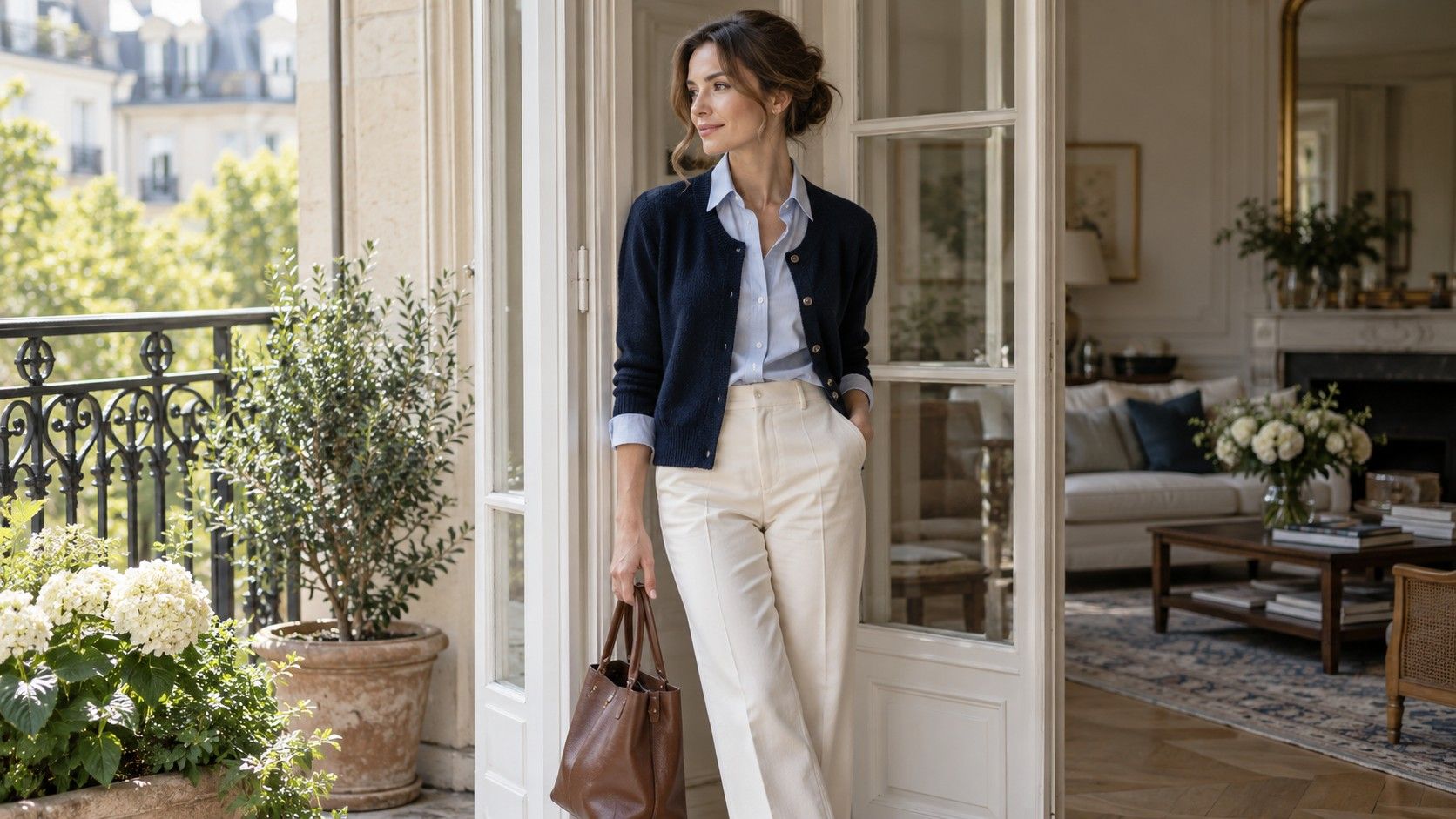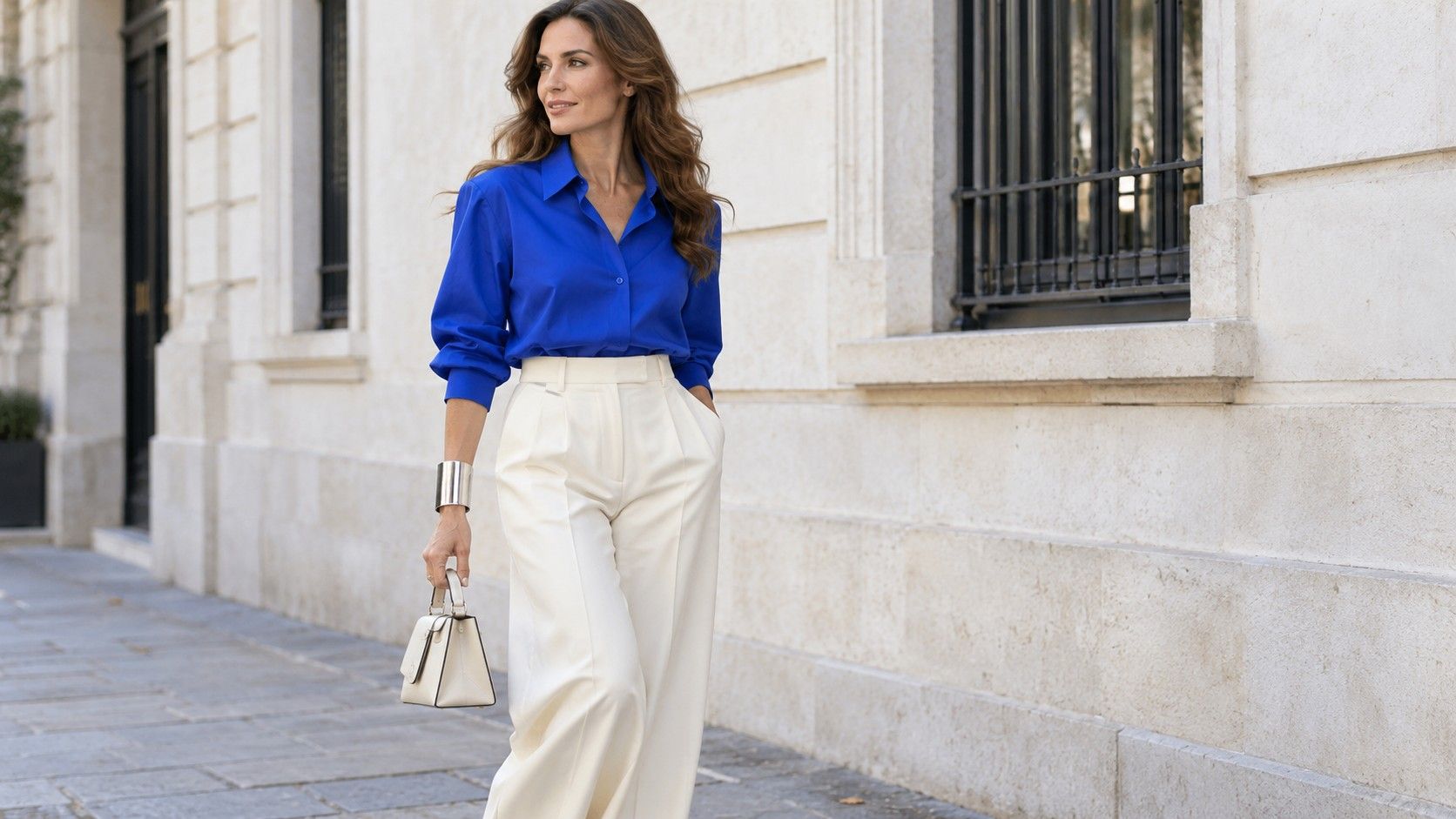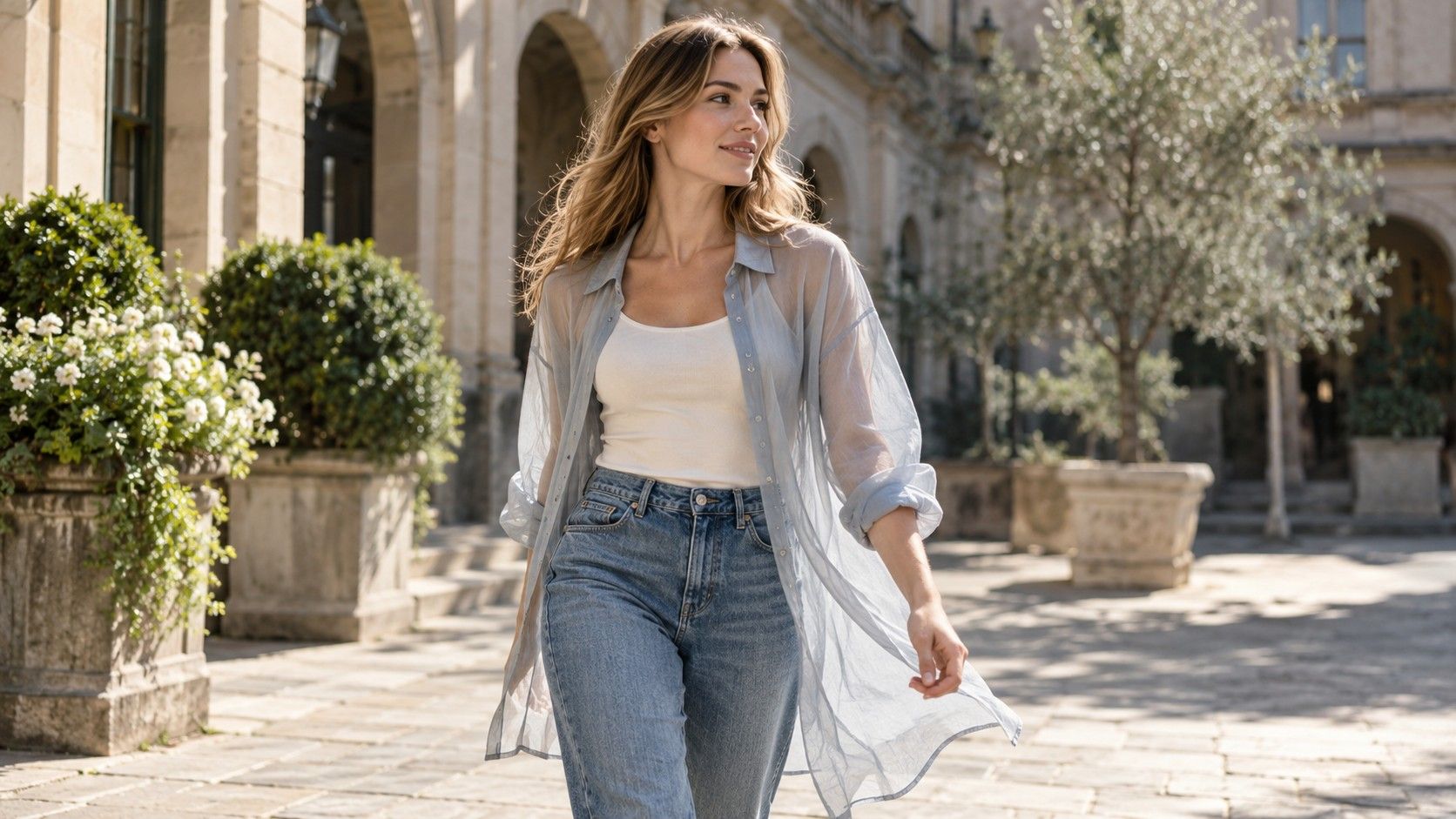
A light sleeve or a softly moving hem can bring a different feeling to jeans and a plain top. You can enjoy that effect without assembling a special-occasion wardrobe. The useful starting point is a single detail that moves well, feels comfortable and still works when you add a coat or carry a bag.
Start with movement instead of a fantasy costume
Watch what the fabric does when you lift it and let it fall. A fine scarf may drift slowly into place, a soft skirt may ripple, and a stiff organza sleeve may hold a little space around the arm. These are different effects. Choose the behavior you enjoy before looking for a garment with an elaborate name or a complicated trim.
For a first experiment, keep a familiar base: straight jeans, a plain vest and shoes you can walk in. Add a lightweight open shirt or a top with a softly draped sleeve. The everyday pieces give the moving fabric a clear setting. If the new layer feels too decorative for the day, reduce its length or volume rather than assuming the whole idea is wrong for you.
Ethereal style essence is useful here as optional language for lightness, flow and a less rigid outline. It does not diagnose your appearance, establish a personality or require a particular body proportion. A long fluid detail may please one person and irritate another when it catches on a chair. Your response to wearing the clothes is useful information.
Keep the activity in mind. A sleeve that looks lovely held away from the body may dip into food or brush a work surface. Try a narrower sleeve with the movement concentrated at the cuff, or move that effect to a scarf you can remove. A small practical change can preserve the part of the outfit you liked in the first place.
Use a translucent layer with a useful base
A translucent layer needs a base you are comfortable showing in the light you will encounter. A camisole, a fitted T-shirt or a simple slip can provide that coverage. Check the neckline, strap placement and hem together. A high base beneath a wide sheer neckline creates a visible shape of its own; decide whether you enjoy that shape before leaving it to chance.
Color changes the relationship between the two layers. Similar shades can make the combination quiet, while a darker base under a pale layer makes the overlap more obvious. Neither treatment is inherently better. Try a blue-gray mesh top over a navy tank, then over an off-white one. You may prefer the first for work and the second when the layered pattern is the point.
Check the fabric from the side and back as well as the front. Seams, labels and the top edge of trousers may show through differently. A layer that seems opaque indoors may become much more revealing beside a bright window. Choose undergarments and a base for your own coverage preference, then test both under the actual garment rather than relying on the color name.
Leave enough room for the fabrics to move separately. A tight translucent sleeve over a bulky T-shirt can bunch at the upper arm; a smoother, narrower base may sit more comfortably. If you dislike wearing two layers in warm weather, try a garment with a translucent sleeve and an opaque body, or put the lightness in a scarf instead.
Compare long flowing detail at different lengths
Length affects how a piece fits into the day. A scarf ending near the collarbone stays close to the top, while long ends draw the eye farther down and need more attention around bags and food. A calf-length skirt provides a different amount of movement from an ankle-length one. Compare these on your own outfit without turning any single length into a rule.
Use what you own to explore the difference. Fold a scarf lengthwise or tie it once more; temporarily turn a soft hem inward while standing at the mirror. These quick comparisons can tell you whether a permanent alteration is worth considering. Avoid pinning delicate cloth through visible areas, and do not walk around with a temporary fastening that could open or scratch.
Notice where the detail finishes relative to another garment. A long cardigan may stop just above a skirt hem, producing two nearby edges that feel busy. A shorter cardigan may let the skirt move more clearly. On another outfit, those overlapping lengths may be exactly what you like. Look at the whole combination from several steps away instead of judging each piece separately.
Practical clearance matters more than a prescribed proportion. Long sleeves should clear your hands when you need them; hems should stay off the ground in the shoes you plan to wear. If you cycle, work around equipment or spend time cooking, loose trailing fabric may be better saved for another setting. A softly draped neckline can offer movement with much less fabric to manage.
Bring lightness into deeper colors
Lightness does not have to mean pale pink, silver or cream. A fine navy scarf, a translucent plum sleeve or a dark green skirt with fluid movement can bring a similar sense of air into a deeper wardrobe. Look at the weave, thickness and way light passes through the fabric. Color is one part of the effect rather than the whole recipe.
Try a charcoal knit with a dark blue flowing skirt, keeping the shoes simple. If the outfit feels heavy, a finer knit or a more open neckline may change more than a lighter color would. If the skirt clings or collapses in a way you dislike, try a different lining or fabric weight. The solution may be construction rather than a change in your personal color preferences.
Shine can add another kind of light, but it changes the mood. A satin scarf may reflect a bright stripe under a lamp, while a matte sheer scarf spreads light more softly. Put both beside the same top if you have them. A small amount of sheen can feel appropriate for an evening meal; a matte surface may blend more easily into a casual workday.
Use jewelry sparingly when you want the fabric to remain visible. A fine curved earring can echo a soft neckline, while a large angular pendant introduces a different point of attention. That contrast is available if you want it. You do not need every accessory to belong to one label, and a treasured piece can stay simply because you enjoy wearing it.
Test the outfit outdoors and in motion
Step into daylight and walk a little before committing to a new combination for a long outing. Air can lift a hem, open a split or move a scarf across your face. Check how the outfit behaves with the bag you intend to carry. A rough strap may drag a delicate layer out of place, while a smooth strap can slide off a silky shoulder.
Try the outerwear too. A floating sleeve can bunch inside a narrow coat, and a softly draped collar may disappear beneath a heavy scarf. Fold the moving detail neatly inside, change the coat or shift the effect to something visible below it. Ethereal everyday outfits need a practical version for the weather, not just a convincing view without outer layers.
Consider sitting, stairs and transport. A long skirt may need gathering as you climb steps, and delicate cloth can catch on a seat edge. Keep a hand free if your outfit needs that kind of attention. If you would rather forget about your clothes once dressed, choose shorter hems and move lightness into an upper layer or a small accessory.
After wearing the outfit, note the precise detail worth repeating: a fine sleeve under a roomy coat, a dark sheer shirt over a smooth tank, or a scarf tucked short enough to stay clear. Also note what needed adjustment. The next attempt can keep the movement you enjoyed and leave out the fastening, fabric or length that made the day harder.