You can like a crisp jacket, a softly draped top and a playful pair of shoes at the same time. Getting dressed becomes harder when those preferences turn into a calculation you feel obliged to solve. Build a workable outfit first, then use style language to name the details you want to keep or change.
Choose a base outfit before adding labels
Start with the clothes the day requires. For a commute and a desk, that might be trousers, a comfortable top, a jacket and shoes that cope with the walk. For a day at home, it may be soft pants and a washable knit. Settle the basic coverage, temperature and movement needs before deciding whether any piece feels classic, natural, dramatic or something else.
The base does not need to be visually plain. A patterned dress can be your starting point if you already enjoy it and know how it fits into the day. Keep it on while comparing accessories. Replacing the whole outfit every time you try a new detail makes it difficult to tell which change improved things and which simply created a different problem.
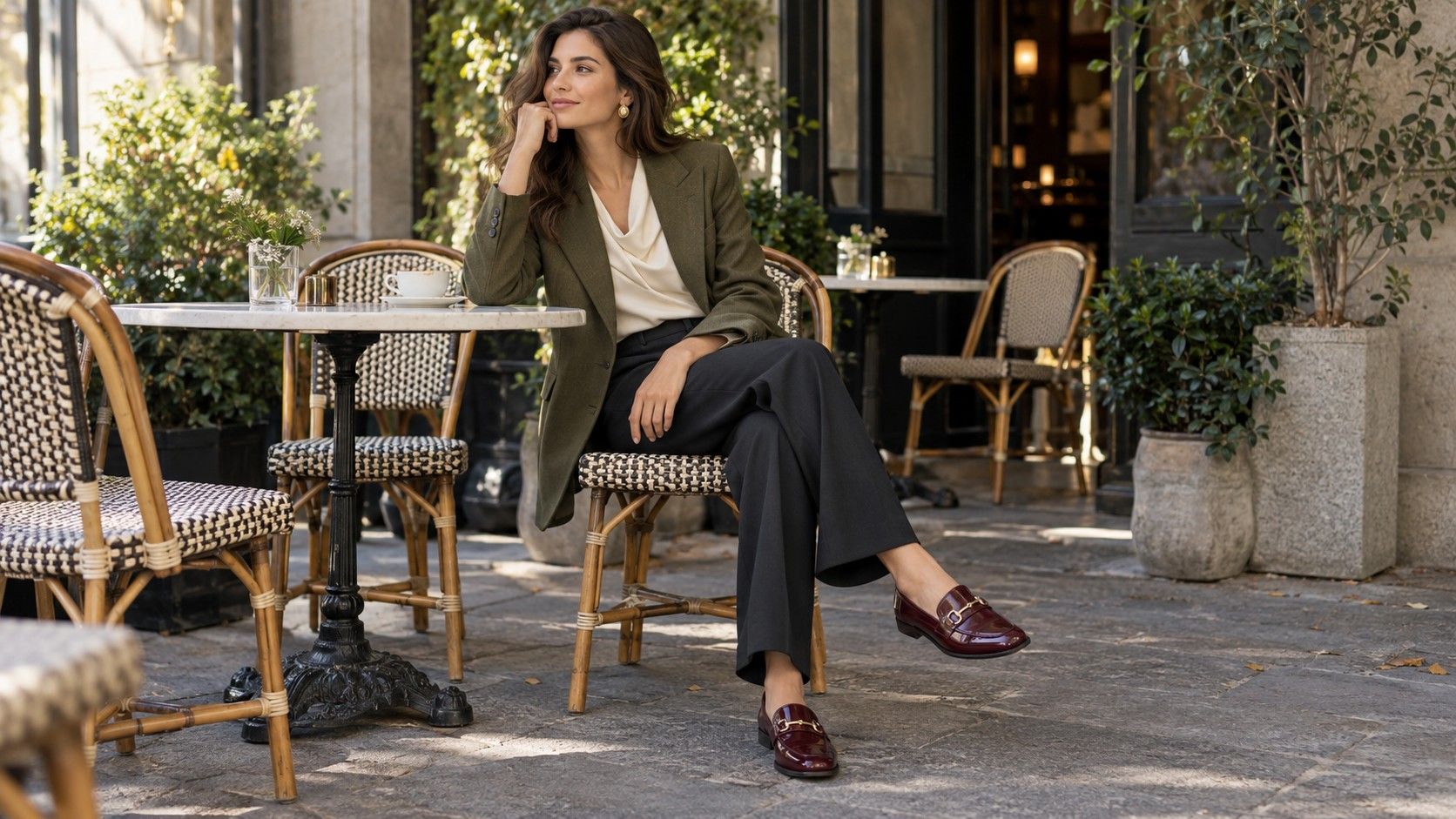
For a straightforward experiment, use dark straight trousers and a cream top. Try a smooth jacket with even lapels, then a soft open cardigan. Notice the collar, surface and amount of movement. Those observations give you something concrete to work with. Saying that the first looks more defined or the second more relaxed is enough; no percentage is necessary.
Style essence blends can be a useful way to describe several preferences in one wardrobe. They are less useful when you feel you must demonstrate every preference in every outfit. A practical work combination and a more decorative weekend one can both feel like yours. Consistency can come from recurring colors or shapes instead of identical labels across all your clothes.
Give different details different jobs
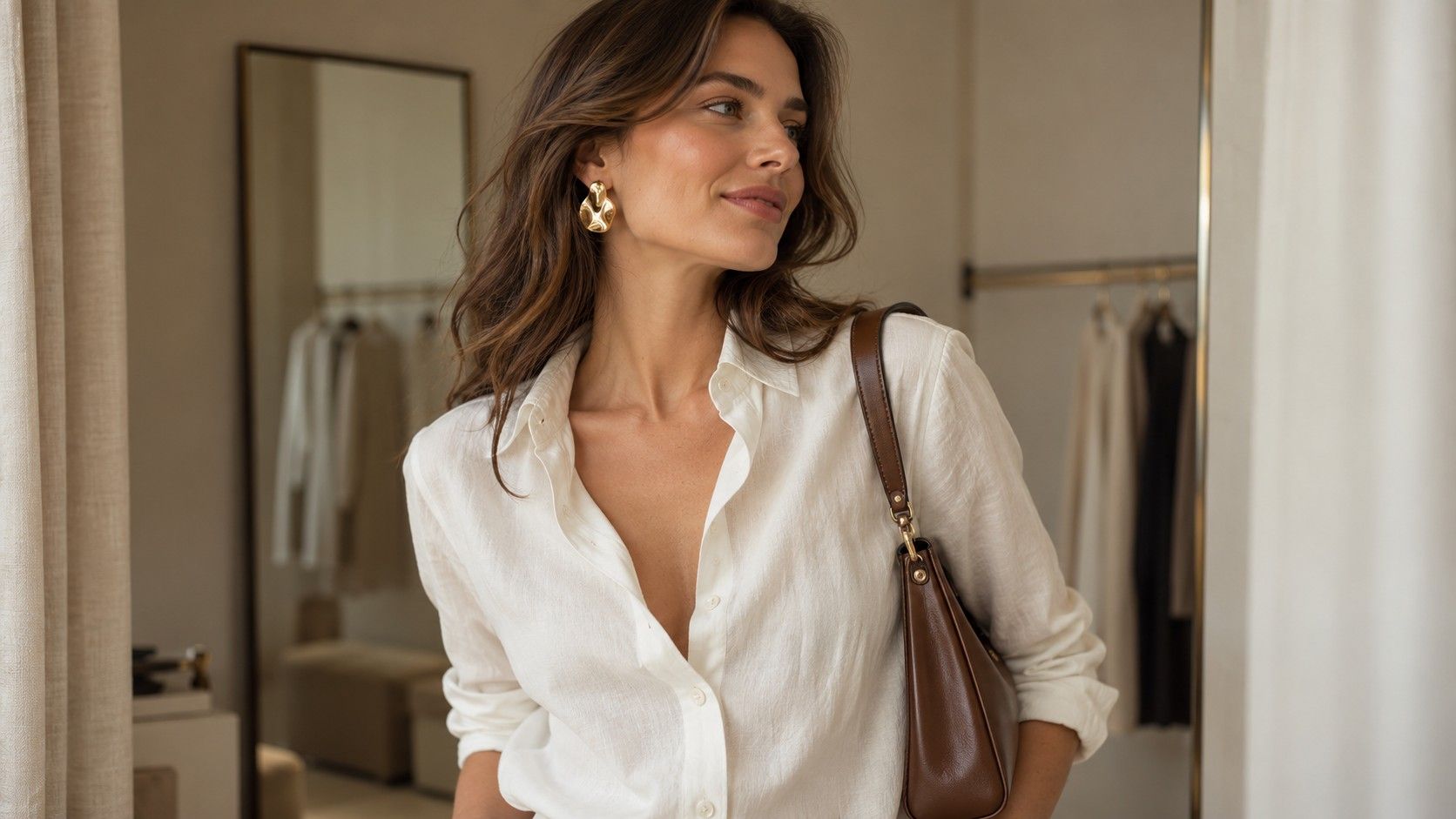
An outfit can carry more than one idea if the details serve different purposes. A firm jacket can provide a clear outline, a brushed knit can bring a tactile surface, and a curved earring can sit quietly near the face. If all three pieces demand attention through size, color and ornament, the result may feel crowded. Decide which job you want each item to do.
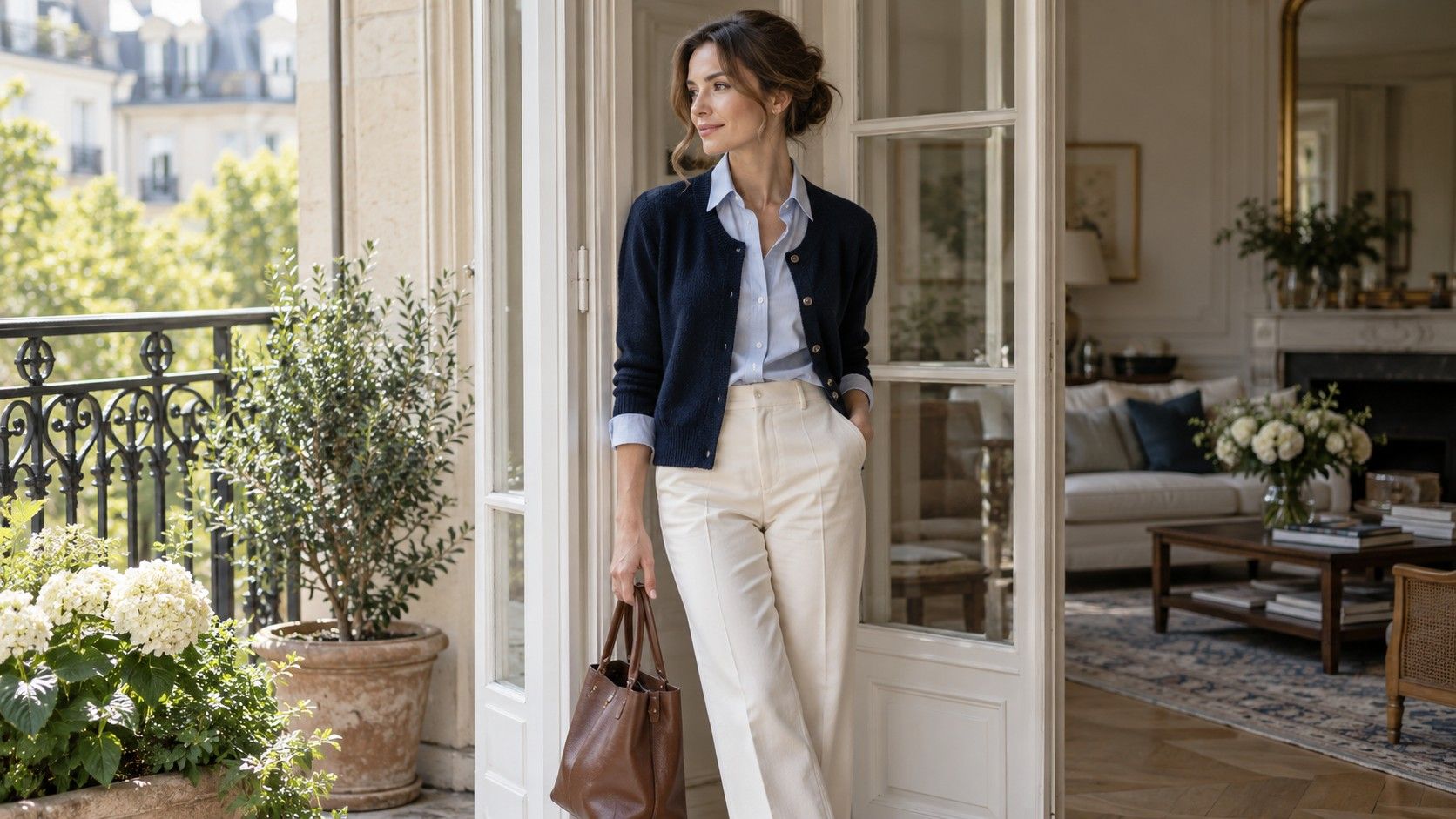
Consider a navy jacket, a soft blue top and jeans. The jacket supplies a defined shoulder and opening; the top softens the neckline; the denim keeps the setting casual. You could describe this using several essence terms, but the actual clothing relationship matters more than the labels. If the shoulders feel restrictive, change the jacket before worrying about whether you have lost the intended blend.
One garment can do several jobs. A shirt with a crisp collar and a fluid body already combines definition and movement. A smooth bag with an unusual rounded handle can be restrained in surface and playful in shape. Looking for those combinations in items you own can prevent a shopping list in which every named preference demands another separate accessory.
Color can connect details that differ in shape. A burgundy belt and soft burgundy scarf may belong together visually without having the same surface or level of formality. Try one repeated color before adding another motif. If the connection feels forced, remove it. The clothes do not need to demonstrate a theory in order to work well together.
Try two versions of one accessory
Keep the base outfit fixed and choose one comparison. A rounded bag beside a rectangular bag changes outline; small studs beside long earrings change scale and movement. Try both in similar colors if possible. When color, size, material and shape all change at once, you may know which option you prefer without knowing what caused the preference.
Look at the full outfit first, then the area around the accessory. A bag that seems delightful close up can feel oversized next to a narrow jacket, or it may provide precisely the contrast you wanted. An earring may disappear beside a patterned collar but become clear beside an open neckline. The surrounding clothes influence what the detail does.
Movement gives another comparison. Turn your head, put the bag on your shoulder and sit down. A necklace may slide under a collar, an earring may catch in a knit, or a rigid handle may make a bag awkward to carry. Comfort can settle a choice that the mirror leaves undecided. You are choosing an object for a day of use, not only for a still image.
When neither option works, check whether the accessory is the right place for the change. A softer neckline might satisfy the wish for movement better than longer earrings. A pointed shoe might add definition without another object near your face. Mixing style essences can mean moving an idea to a more useful part of the outfit rather than adding more pieces.
Recognize when the outfit becomes crowded
Crowding is a personal response, not a fixed number of accessories. It may happen when several strong details sit together: a ruffled collar, a bold necklace and large earrings, for example. It can also come from close but unrelated edges, such as a jacket hem ending just above an untucked shirt hem. Identify the location where your eye keeps stopping or where the clothes need adjustment.
Remove or simplify one detail at a time. Take off the necklace while keeping the earrings; fold the collar differently; try the shirt tucked if that feels comfortable. Look again from a normal conversational distance. If the outfit becomes easier to understand, keep the change. If it loses the part you enjoyed, restore it and simplify somewhere else.
A shared shape can give busy details a relationship, though it does not guarantee that you will like the result. A curved print and rounded bag may feel connected; a pointed collar and angular belt may repeat a direction. Avoid using repetition as a reason to keep uncomfortable pieces. The relevant question is whether the connection makes dressing more satisfying or more laborious.
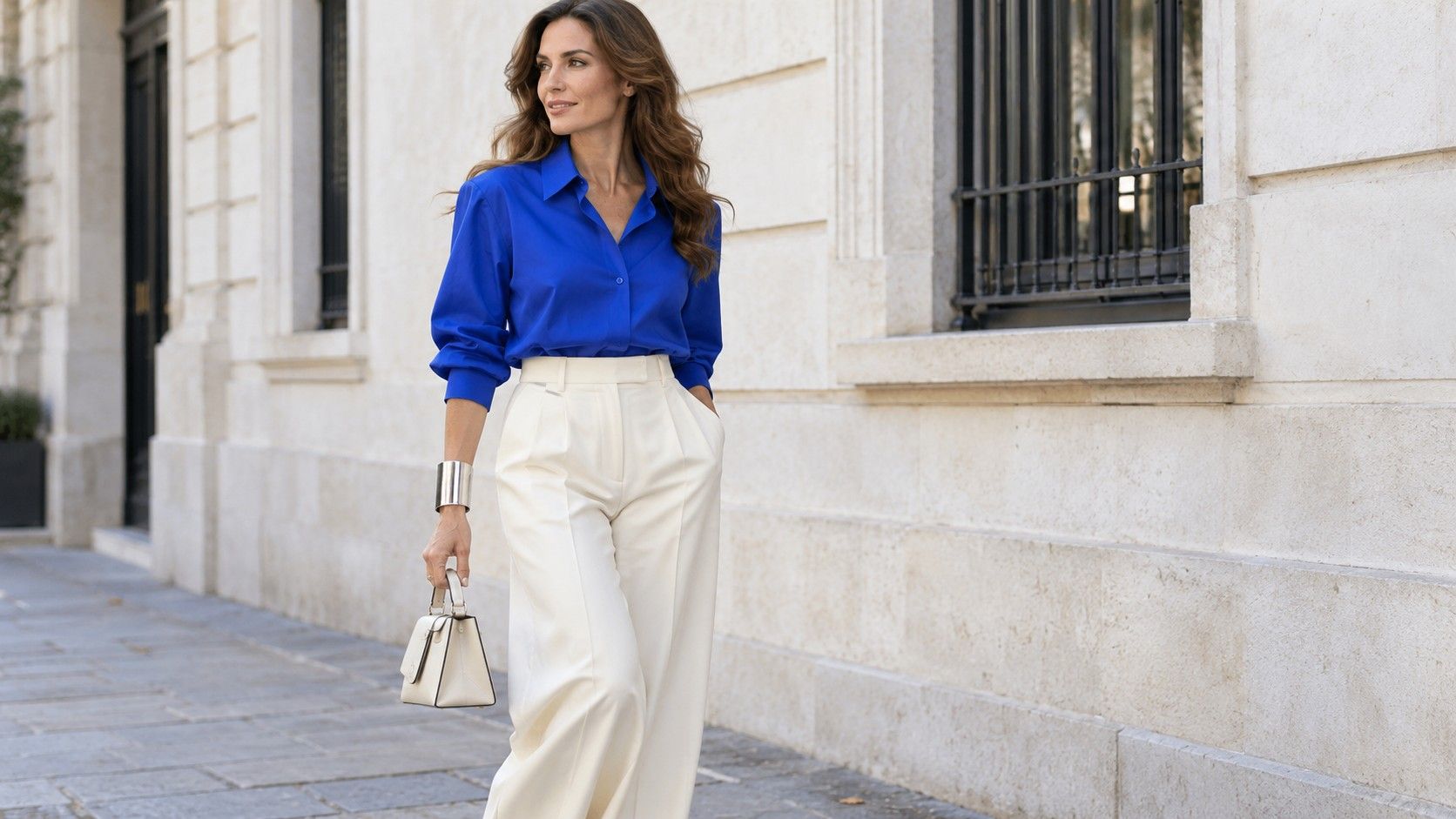
Leave some quiet space if you want a decorative area to stand out. A plain lower half can support a detailed blouse, and simple sleeves can leave room for a large cuff. On days when you enjoy abundant pattern and ornament, wear them. Use your own comfort, dress requirements and practical activity as the limits rather than treating visual quiet as a universal virtue.
Save a useful recipe rather than a percentage
A record such as smooth jacket, soft scoop-neck top, straight trousers and curved earrings tells you how to recreate an outfit. A ratio of several essence names tells you much less about what to take from the wardrobe on a busy morning. Save the garment relationships that made the combination work, including fabric weight and the shoes you actually wore.
A private photo can help, but add a note about comfort that the image cannot show. The jacket may have restricted reaching, the scarf may have needed retucking, or the trouser fabric may have suited a cooler day. Those details matter when you repeat the outfit. Keep the photo as a memory aid instead of using it to inspect your face or body for a supposedly correct blend.
Allow substitutions with a specific purpose. If a curved earring supplied movement, another light earring might do the same job. If a belt supplied a clear edge, a smooth shorter jacket may provide a useful alternative. You can preserve the relationship while changing color, material or level of formality. This makes the recipe more flexible than a fixed shopping list.
Revisit the description when your routine changes. A new commute, a warmer season or a different workplace may call for lighter layers or simpler accessories. The preference underneath may remain: a defined outline with one soft detail, for example. Keep that observation if it helps, and let the labels change as freely as the clothes you choose to wear.